The Business Performance Tracker represents a significant advancement in operational analysis for small businesses and startups. It offers real-time analytics and customizable dashboards that facilitate informed decision-making. This tool integrates seamlessly into existing systems, ensuring minimal disruption. As organizations strive for agility and competitiveness, understanding its key features and benefits becomes paramount. What implications could this have for resource allocation and growth potential?
Key Features of the Business Performance Tracker
The Business Performance Tracker is characterized by a range of essential features designed to enhance organizational efficiency and decision-making.
Key among these are real-time analytics and customizable dashboards. Real-time analytics provide immediate insights into performance metrics, empowering leaders to make informed decisions swiftly.
Customizable dashboards allow users to tailor data presentations to their specific needs, fostering a more flexible and engaging approach to performance management.
Benefits for Small Businesses and Startups
Small businesses and startups stand to gain significantly from the implementation of the Business Performance Tracker, particularly through its real-time analytics and customizable dashboards.
These tools facilitate cost savings by optimizing resource allocation, while simultaneously unveiling growth potential through data-driven insights.
Enhancing Decision-Making With Performance Metrics
While many organizations struggle with decision-making due to a lack of reliable data, the integration of performance metrics can significantly streamline this process.
By leveraging data visualization and real-time analysis, leaders can access pertinent information swiftly, enabling informed decisions.
This proactive approach not only enhances operational efficiency but also empowers businesses to adapt quickly to changing market conditions, fostering a culture of agility.
Integrating the Tracker Into Existing Systems
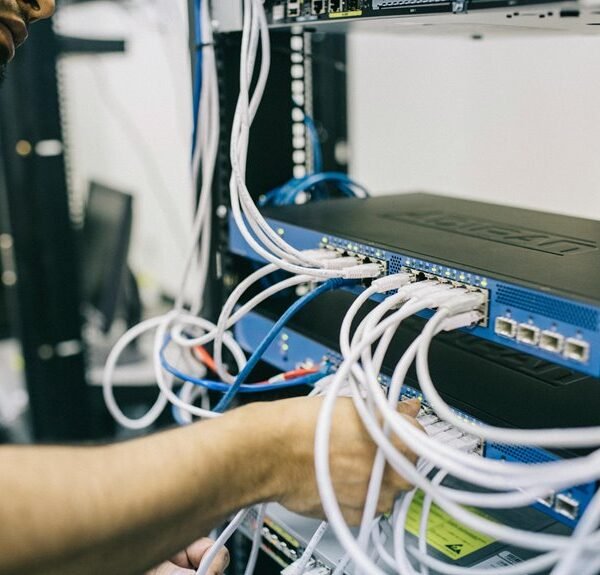
To effectively integrate the Business Performance Tracker into existing systems, organizations must first assess their current infrastructure and data management practices.
Ensuring data synchronization and system compatibility is crucial for a seamless transition. This involves evaluating existing software capabilities, identifying potential integration challenges, and implementing necessary adjustments.
A structured approach facilitates efficient data flow, empowering organizations to harness insights and enhance operational performance.
Conclusion
In conclusion, the Business Performance Tracker stands as an essential tool for small businesses and startups seeking to thrive in a competitive landscape. By leveraging real-time analytics and customizable dashboards, organizations can enhance their decision-making processes and uncover growth opportunities. As leaders reflect on their operational strategies, one must ask: how can they afford to operate without such a powerful resource? Ultimately, embracing this innovative solution could be the key to unlocking their full potential.